Downsizing Seniors
Condo, townhome, or smaller detached: what questions should downsizers ask?
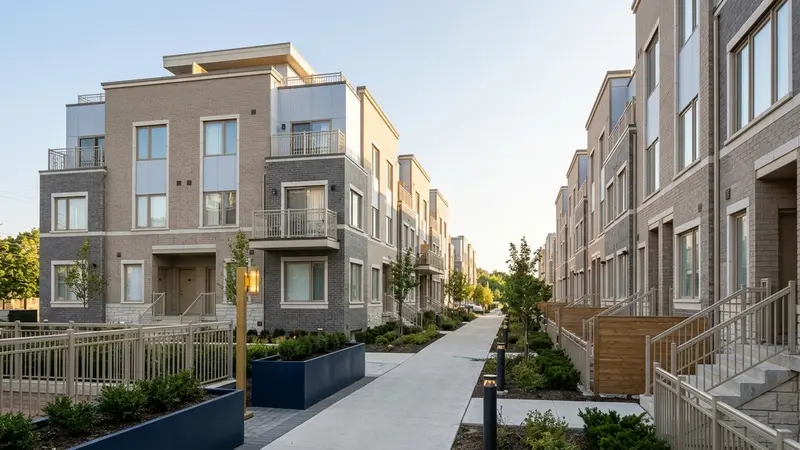
Each smaller-home type solves a different problem. Here are the questions that help downsizers in Vaughan and York Region compare them fairly.
On this page
Why the property type matters more than the size
When people picture downsizing, they usually picture fewer bedrooms. The bigger change is often the type of home: a condo, a townhome, or a smaller detached house each changes how you live day to day.
None of the three is the right answer for everyone. Each one trades some things for others, and the best fit depends on your routines, your budget, and how hands-on you want ownership to be. It helps to decide which of those trades you are comfortable making before you fall for a particular kitchen or view.
This article gives you a set of questions to ask about each type, so tours in Vaughan and across York Region are easier to compare.
Questions to ask about a condo
A condo can mean less exterior upkeep and, in many buildings, a single level of living. It also means shared rules and shared costs.
Ask what the monthly fees cover, how the reserve fund looks, and whether any special assessments are planned. Ask about rules on pets, renovations, and parking. It is also worth asking how the building handles repairs, how often fees have changed, and what the elevator and parking arrangements look like.
Condo documents are property-specific and can be detailed, so have a real estate lawyer review them before you commit.
Questions to ask about a townhome
A townhome often sits between a condo and a detached house. You may have some outdoor space and a garage, with fewer exterior responsibilities than a full house.
Ask whether it is freehold or part of a condominium corporation, because that changes what you own and what you pay for. Many townhomes also have several floors, so consider how stairs fit your plans. Ask who is responsible for the roof, windows, and exterior, and whether there are shared costs for snow clearing or landscaping.
If there are common elements, ask the same fee and rules questions you would ask about a condo.
Questions to ask about a smaller detached home
A smaller detached home keeps the privacy and control of a house, with less space to maintain. It also keeps full responsibility for the roof, the yard, and major systems. Ask about:
- The age and condition of the roof, furnace, and windows
- How much yard and snow work the lot will need
- Whether the main living space is on one floor
- What typical utility and property tax bills look like
A home inspection and current tax and utility figures will answer these better than any listing description. If the home is older, ask when major systems were last replaced, so you can plan for any larger costs over the next few years.
A side-by-side starting point
Use this as a way to organize your own notes, not as a verdict on any one type. Every property is different.
| Question | What to look for | Why it matters |
|---|---|---|
| Monthly costs | Fees, taxes, utilities, insurance | Shows the true cost beyond price |
| Upkeep | Who handles exterior and systems | Affects time and future repair costs |
| Layout | Stairs and main-floor living | Shapes daily comfort over time |
| Rules | Condo bylaws or shared-element rules | Can limit pets, rentals, or renovations |
| Location | Distance to family and routines | Keeps the move working for daily life |
Fill it in for each home you see, and the differences become easier to weigh. Over a few tours, patterns usually appear, and one type starts to fit your routines better than the others.
Where designations fit in
Gorette Marques lists the SRES designation, which is focused on real estate needs of clients later in life. It supports a conversation about next-home fit and sequencing.
It is not medical, care, or legal expertise. Questions about care needs, accessibility changes, or estates belong with the right professionals. Involving those advisors early keeps the housing decision and the rest of your plan in step.
A next step before you tour
Before your first showing, write down the answers to a few questions:
- Which home type you would be happiest to live in day to day
- The monthly cost range you are comfortable carrying
- How much upkeep you want to take on
- The areas of Vaughan or York Region you want to stay near
Bring that list to a first conversation with Gorette at 416-995-7344, and use it to narrow which listings are worth seeing.
This article is educational and reflects general, publicly available information. It is not legal, tax, financial, estate, medical, or care advice. Confirm your situation with a real estate lawyer, a financial or tax professional, and other qualified advisors, and check current listings before you decide.

Written by